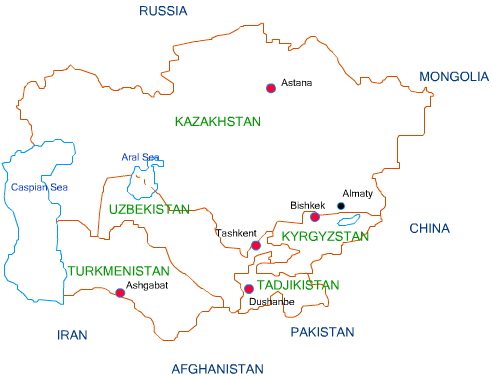
-Another Kyrgyz Region Joins Teachers' Pay Protest
-Uzbekistan 'Cuts Natural Gas Delivery' to Kyrgyzstan due to debt
-Kyrgyz Veterans Hold Hunger Strike Over Sovial Allowances, which haven't been paid since 1994
-Kyrgyzstan Says Foils Bishkek Bomb Attack
-Trial Of Ousted Kyrgyz President's Brother Resumes In Bishkek. He is being tried (in absentia) in connection with deaths of anti-government protestors.
-Emigration From Kyrgyzstan 'Up sharply' in 2010. It rose 10%, mostly due to ethnic Uzbeks leaving during the violence in June.
-Appeal Hearing For Former Kyrgyz President's Nephew Resumes. He is on trial in connection with ethnic violence in June
-Kyrgyz Miners on Hunger Strike to Protest Sacking of Leader
-[Parliament] Member 'Attacked' in Northern Kyrgyzstan
-Uzbek Banks Suspend Money Transfers to Kyrgyzstan in connection with ethnic violence last summer.
So, to summarize: Miners, teachers, and veterans are on strike; there has been one averted terrorist attack plus several other incidents of violence; the former president's brother and nephew are on trial; and Kyrgyzstan's relationship with its nearest neighbor, Uzbekistan, is very, very shaky.
Other sobering Central Asia wide headlines included:
-Report Says Decline in Freedom Continues Across Former Soviet Union
-Iran Sends Tajikistan Equipment For Hydropower Plant
-Beijing’s Stealthy Expansion in Central Asia
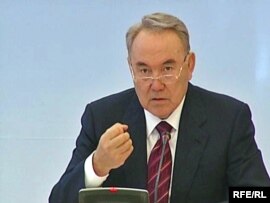
And lastly, Kazakhstan news has been dominated by the current debate over extending President Nursultan Nazarbaev's term to 2020. Nazarbaev, who has been in power for 20 years now, since the fall of the USSR, has always been more or less a benevolent dictator, maintaining higher levels of religious freedom, stability, and prosperity than in other Central Asian countries, but tolerating no opposition. But until now he has always at least kept up the pretence of democracy, so this new move is troubling.

the maps are great, way to go. i wish central asia would make mainstream news.
ReplyDelete